DATA IA BRASIL

Projeto

Conteúdo técnico de implantação de data center e infraestrutura.

Brazil's Energy Market Context

Brazil's combination of a dynamic business environment, abundant renewable energy resources, and a large and growing energy market makes it an attractive destination for investments in energy-intensive industries, such as data centers, and for companies seeking sustainable and cost-effective energy solutions.

Brazil boasts a dynamic business environment and is among the top 20 countries in terms of GDP. It is also the sixth-largest energy market globally, with 87 million customers and an estimated annual energy revenue of 200 billion reais.

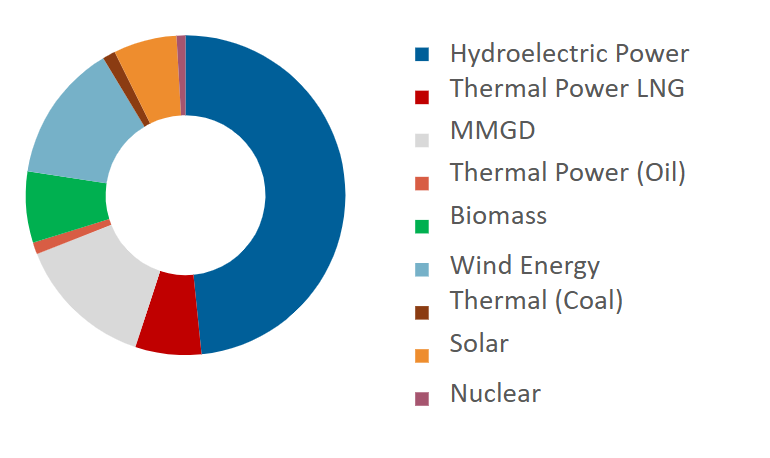
A key strength of Brazil's energy sector is its predominantly renewable energy matrix, which includes hydroelectric, wind, and solar photovoltaic sources.

In recent years, the energy matrix has expanded significantly through wind and solar energy, reflecting Brazil's commitment to sustainable growth.

Key Figures
Land Area8.515.770 km²
Population220,05 million
GDP 2023US$ 4,016 trillion
Installed Energy Capacity222,6 GW
Energy Consumption614 TWh
Energia Eólica
Energia Solar

IMPLANTAÇÃO DE DATA CENTER

Para a implantação de um data center, é crucial considerar vários fatores, como: infraestrutura, segurança, localização, custos e conformidade com regulamentações.

É preciso analisar aspectos técnicos, como: sistemas de refrigeração, redundância de energia e rede, além de considerar a eficiência energética e o impacto ambiental.

A escolha da localização também é fundamental, levando em conta riscos climáticos, conectividade e proximidade de mercados.

Principais pontos a serem avaliados quanto a Infraestrutura

Refrigeração

Sistemas eficientes para manter a temperatura ideal dos equipamentos, considerando tecnologias como free cooling e refrigeração líquida.

Energia

Redundância de energia, incluindo fontes ininterruptas de energia (UPS) e geradores, além de subestações próprias, se necessário.

Rede

Conectividade rápida, segura e com redundância de fibra óptica, garantindo baixa latência e alta disponibilidade.

Segurança

Controles de acesso físico e lógico, sistemas de monitoramento e proteção contra incêndios e outras emergências.

Cabeamento

Instalação e certificação rigorosa para garantir a velocidade e confiabilidade da rede.

The Data Center – Market Plan

Key Points

  • The demand for AI, cloud computing, and enterprise data processing is rising exponentially.
  • Global trend: AI computing demand will triple by 2030.
  • Energy consumption concerns — data centers account for large amounts of electricity usage.
  • Energy is becoming a gating factor in PJM (Eastern Grid).

Brazil is the next frontier

  • Major tech firms expanding AI data centers globally.
  • Brazil is underserved in high-performance data center infrastructure and an entry point for Latin America.
  • Government is creating significant incentives for strengthening the country's production in key areas such as semiconductors and advanced technologies like AI.
  • Global trend: Data sovereignty and AI-driven solutions.

À medida que a dependência da tecnologia cresce, aumenta também a importância dos data centers.

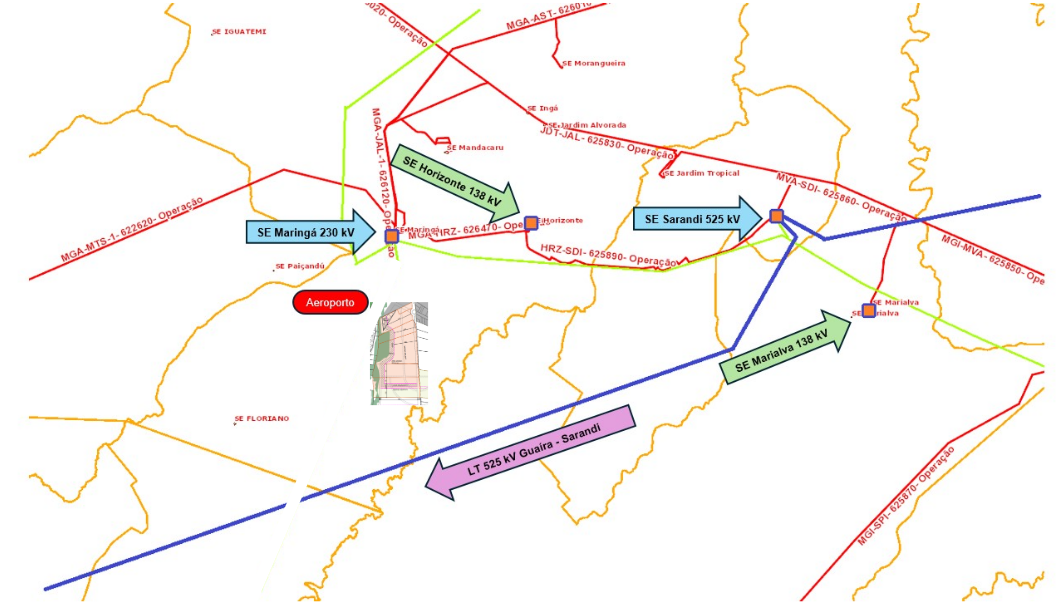
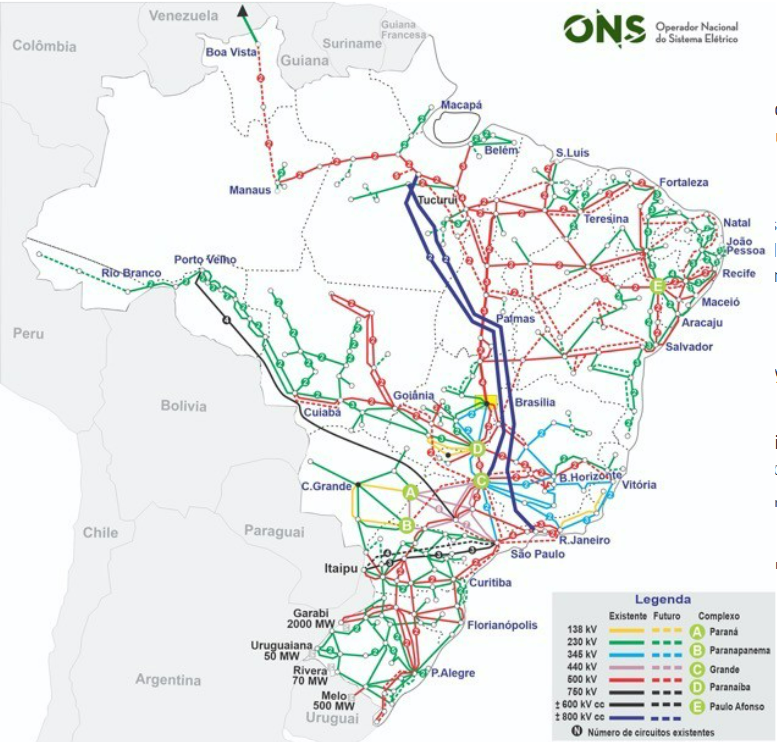
Sistema Elétrico da Região

Sistema Elétrico da Região

OBTENÇÃO DE FONTE DE ENERGIA

FONTES

Via Energia Verde Renovável

  • Hidráulica
  • Termoelétrica
  • Solar
  • Eólica

CAMINHOS

Via Linha de Transmissão

  • LT 500 kV
  • LT 230 kV
  • LT 138 kV

INTERLIGAÇÃO

Via Subestação

  • SE 500 kV
  • SE 230 kV
  • SE 138 kV

CONSUMO

Via SE de Rebaixamento

  • SE 34,5 kV / 380/220 V
  • SE 23 kV / 380/220 V
  • SE 13,8 230 kV / 380/220 V

OBTENÇÃO DE FONTE DE ENERGIA

CAMINHOS

Via Linha de Transmissão — LT 230 kV

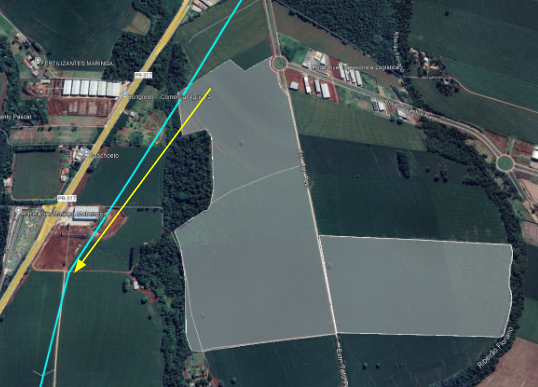
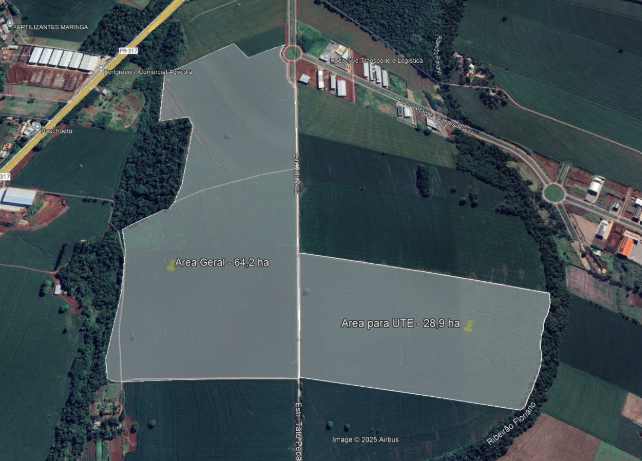
Na imagem ao lado mostra a LT Campo Mourão-Maringá C1 em 230 kV, que passa ao largo da área disponível para o empreendimento. O acesso poderia ser feito via uma SE de Seccionamento a partir da seta amarela, indicativo de uma torre de Ancoragem. A distância até o ponto destinada a SE seria em torno de 980 metros.

LT Campo Mourão-Maringá C1 230 kV

OBTENÇÃO DE FONTE DE ENERGIA

CAMINHOS

Via Linha de Transmissão — LT 500 kV

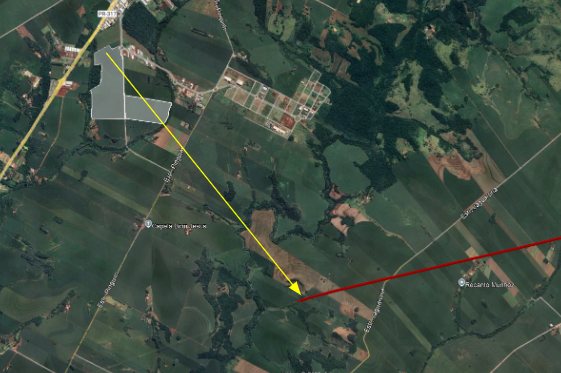
Na imagem ao lado mostra a LT Guaíra - Sarandi, (CD) em 525 kV, que passa afastada da área disponível para o empreendimento. O acesso poderia ser feito via uma SE de Seccionamento. A seta amarela, indicativo de uma possível torre de Ancoragem. A distância até o ponto destinada a SE seria em torno de 5.500 metros.

LT Guaíra - Sarandi 525 kV

OBTENÇÃO DE FONTE DE ENERGIA

INTERLIGAÇÃO

Via Subestação

  • SE 500 kV
  • SE 230 kV
  • SE 138 kV

CONSUMO

Via SE de Rebaixamento

  • SE 34,5 kV / 380/220 V
  • SE 23 kV / 380/220 V
  • SE 13,8 230 kV / 380/220 V

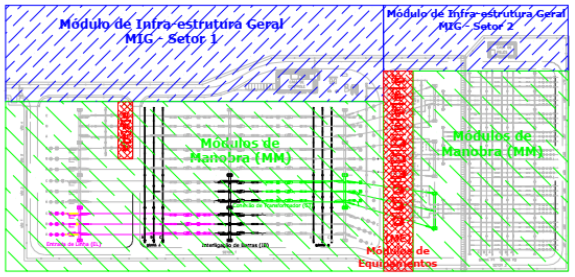
O conceito de modulação da subestação, origina-se do fato de se ter em subestações, setores bem definidos em termos funcionais, operacionais e físicos. Pode-se portanto, desmembrar uma instalação em módulos, como entrada de linha, conexão de transformador, reator e obras de infra-estrutura. Sendo assim, é possível compor uma SE (Subestação) a partir do somatório de todos os módulos necessários a sua operacionalidade.

LT Guaíra - Sarandi 525 kV

Areas of Excess Energy

Pontos Principais

  • CEMIG também demonstra entrada massiva de usinas eólicas e solares conectadas por inversores.
  • 43% do total de subestações em Minas Gerais apresentam possibilidade de fluxo de potência reverso ou sobrecarga nos transformadores devido à inversão de fluxo.
  • Baixa resiliência, e alto potencial para instabilidade. Estudo EPE / ONS

ONS e EPE identificaram a necessidade de ampliações e reforços para garantir um desempenho elétrico seguro e eficiente.

A recomendação inclui três novos compensadores síncronos (-200/+300 Mvar): dois deles na SE Nova Ponte 3 (nas proximidade de Uberlândia).

Áreas de Fluxo Reverso

Áreas de Fluxo Reverso

DADOS GERAIS A SEREM AVALIADOS

Data Center — Necessidades

  • Área
  • Estabilidade
  • Refrigeração
  • Contingências

Área — Espaço para Implantação

  • Data Center ~ de 450 mil m² – 45 ha
  • UTE ~ 100 mil m² – 10,0 ha
  • Refrigeração – incluso no Data Center
  • Contingências – (Bess+UTE) A definir
  • SE Receptora/Rebaixadora – A definir
Dados Gerais 1

Grandezas — Potências Envolvidas

  • Data Center ~ 400 MW (TI)
  • UTE - 120 MW
  • Refrigeração – (cerca de 50% do todo)
  • Consumo previsto ~ 480 MW/h

Possibilidades — Arranjos de Consumo

  • UTE operando em regime de disponibilidade (a 50%)
  • Demais 50% da UTE em stand by para Data Center
  • Refrigeração – Verificar se há intermitência de funcionamento
  • Verificar setores específicos onde não pode haver qualquer intermitência

Brazil's Energy Matrix is Highly Competitive

Secure, stable, and low-emission electricity is a critical factor in determining the location of a data center. States like Oregon and Washington stand out as ideal locations due to their low energy costs and access to renewable energy sources, such as hydroelectric power.

Region Average Cost per kWh R$/MWh Cooling Technology
Oregon
Mild climate enables "free cooling," reducing the need for air conditioning. Abundant hydroelectric power provides low-cost, sustainable electricity.
$0,03 – $0,04 169–226 Evaporative cooling and "free cooling"
Texas
Leader in wind and solar energy, with a deregulated market that fosters competition and low costs for data centers. Hybrid technologies enhance efficiency and reliability.
$0,04 – $0,05 226–283 Hybrid cooling (solar/wind)
Virginia
Largest data center hub in the U.S., with tax incentives and heat containment technologies that optimize energy consumption. Dominion Energy offers competitive electricity rates.
$0,05 – $0,06 283–339 Containment aisles and direct cooling
New York
Incentives for renewable energy (wind and solar) and advanced cooling technologies help reduce costs and improve energy efficiency.
$0,06 – $0,07 339–396 Mechanical cooling and partial free cooling

The Case for Maringá Technology Park & Data Center

Unique Competitive Edge

  • Lowest Total Cost of Ownership (TCO) in Latin America — High availability of energy at competitive costs. Renewable energy mix — 50% cheaper than in North America. Energy Cost: $0.03/kWh vs. $0.07–$0.12/kWh in USA/EU.
  • Tax-Free Status — Savings on imported equipment under ZPE benefits. ZPE Tax-free investment zone = maximum cost efficiency.
  • Cooling Cost Reduction — Hybrid cooling reduces cooling energy costs by 40%.
  • Labor Costs — Lower than traditional data center hubs while maintaining high expertise.
  • Expected Savings vs. Traditional DCs — 20–30% lower OPEX. Lowest energy & operational costs in the region.

Early-Mover Advantage

  • Brazil is LatAm's fastest-growing DC market.
  • Secure energy access. Space within the ZPE Technology Park is a limited resource.
  • Suppressed demand for local AI compute & cloud capacity, currently buying at other locations.

Strategic Location & Connectivity

  • Grid reliability ensures stable operations – directly connected to Itaipu Hydroelectric plant.
  • Proximity to São Paulo (economic hub) and Curitiba.
  • Near to bonded airport and multimodal carriers.
  • Connected to Brazil's primary fiber network backbone and submarine cables.
  • Low latency connectivity to São Paulo, Rio, and international hubs.
  • Brazil's current DC area 100% contracted.
  • Access to talent and proximity to large university groups (over 600,000 students).

Tax & Regulatory Incentives

  • Special investment zone (ZPE) provides tax-free benefits on infrastructure and operations.
  • Access to incentives under the "Nova Indústria Brazil" (NIB) plan, aimed at digital transformation, with an R$ 186.6 billion investment revolutionizing its industrial sector.
  • Additional incentives for strengthening the country's production in key areas such as semiconductors and advanced technologies like artificial intelligence and the Internet of Things (IoT).

Introduction to Maringá ZPE Technology Park & Data Center

Technology Partners

The region offers an attractive alternative for the expansion of technological partnerships and the introduction of new services, particularly in AI processing.

Favorable Environment

Strategic support from local and regional governments facilitates development, reduces operational costs, and ensures business continuity.

Skilled Professionals

The city's dynamic economic and social environment fosters the development of skilled professionals and talent retention, supported by local universities.

Global Competitiveness

The Export Processing Zone (ZPE) enables fiscal parity with other regions worldwide, allowing businesses to achieve cost levels that are globally competitive.

Carbon Neutral Certification

Access to low-cost renewable energy sources is crucial for the efficient and sustainable operation of local manufacturing and data centers.

400+ MW Capacity & Connectivity

A robust infrastructure is essential for ensuring high performance and uninterrupted service continuity.

3,200,000 m² Total Area

Expansion capacity is critical to accommodate growing demands and future needs.

Maringá ZPE Technology Park
ZPE Free Trade Zone Technology Ecosystem Favorable environment Talent & Universities Expansion Capacity Infrastructure Connectivity Clean Energy

Next Steps & Engagement

Investment opportunities

Maringá Technology Park and ZPE — Unmatched combination of low costs, high efficiency, sustainable ESG. Near-shore alternative and access to local markets.

Collaboration models

Secure option for early participation in Brazil and Maringá's ZPE.

Follow-ups, Technical & Business Discussions

Schedule in-depth reviews. Plan for site visits and meeting the local partners.

Additional Information

Go-To-Market Strategy & Growth

Target Customers & Industry Use Cases

Cloud Providers & Hyperscalers

  • Already expanding in Latin America
  • Paying premium for access to energy
  • Need cost efficient operations
  • Diversification & growth strategy

AI & Machine Learning Companies

  • Lower cost model training
  • Local inference workloads

Enterprise, Financial and Government Services

  • Access to secure AI infrastructure
  • Access to low-cost data processing
  • Data sovereignty compliance

Gaming & Streaming Companies

  • Regional low-latency content delivery
  • Regional AI infrastructure

Phased Growth Strategy

Phase 1 (2025–2027)

  • Lock as many strategic locations as possible.
  • 6× locations each with 100 MW accessible within 1-year
  • Fully interconnected DCs data hubs

Phase 2 (2027–2029)

  • Scale to 85 MW, expand infrastructure partnerships
  • Open as a public traded REIT
  • Expand to other 4 sites around Brazil and Latin America

Phase 3 (2030+)

  • 400 MW+ IT capacity
  • 1.2 GW across Latin America's leading hubs
  • Fully interconnected DCs data hubs

Atividades Gerais

Desenvolvimentos

  • Verificar Layout Geral da implantação
  • Verificar viabilidade de fontes renováveis disponíveis
  • Consultar órgãos setoriais sobre conexão elétrica
  • Visitar plantas similares já implantadas para mitigar vícios
  • Montar cronograma macro com as ações a serem tomadas
  • Contingências